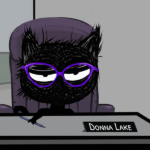
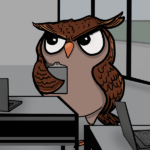
Panel 1: Drew sits at his desk, calmly facing his laptop. A lava lamp glows beside it.
Computer: “ARE YOU STILL THERE?”
Panel 2: Drew’s eyelids slowly lower until his eyes are fully closed. The lava shifts inside the lamp.
Panel 3: Drew’s eyelids slowly rise as the lava continues moving.
Panel 4: Drew’s eyes are fully open again.
Drew: “YES”
Response Time
From Donna's Desk
Eventually.
Not everyone moves at the speed of the prompt.
Some people respond instantly. Some need a minute. Some need three minutes, and a lava lamp.
It’s easy to mistake slowness for disengagement. Or a pause for a problem.
But Drew was there the whole time.
Thinking. Breathing. Possibly consulting whatever wisdom lives between “save draft” and “session expired.”
Teams work best when we leave room for different tempos. Urgency has its place, but not every question needs an answer before the coffee cools.
Sometimes collaboration means waiting long enough for the slower voice to arrive.
So I’m curious:
Where do you move more slowly than people expect?
Who reminds you that thoughtful does not mean gone?
How do you make space for different speeds without losing
About Donna Lake
 If you’ve ever thought, “How am I the only adult in this room?” you’re among friends.
Donna Lake Comic is for the people who keep things moving while everyone else creates new complications. The ones who solve the problem, and keep their actual thoughts safely behind a very controlled facial expression.
It’s a sharp, heartfelt office comedy about corporate nonsense, competence fatigue, quiet leadership, and the strange amount of dignity required to function in an increasingly unreasonable workplace.
Welcome to Donna Lake.
If you’ve ever thought, “How am I the only adult in this room?” you’re among friends.
Donna Lake Comic is for the people who keep things moving while everyone else creates new complications. The ones who solve the problem, and keep their actual thoughts safely behind a very controlled facial expression.
It’s a sharp, heartfelt office comedy about corporate nonsense, competence fatigue, quiet leadership, and the strange amount of dignity required to function in an increasingly unreasonable workplace.
Welcome to Donna Lake.