


From Donna's Desk:
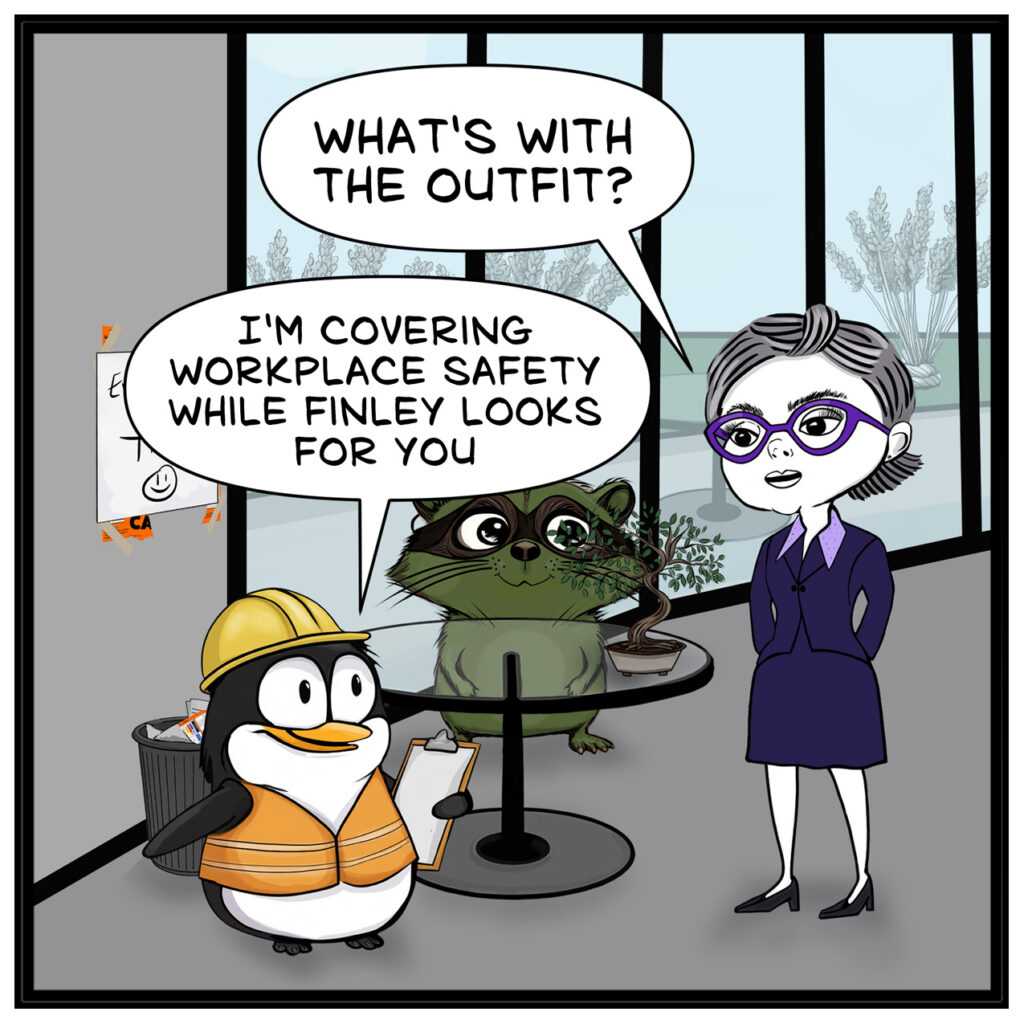
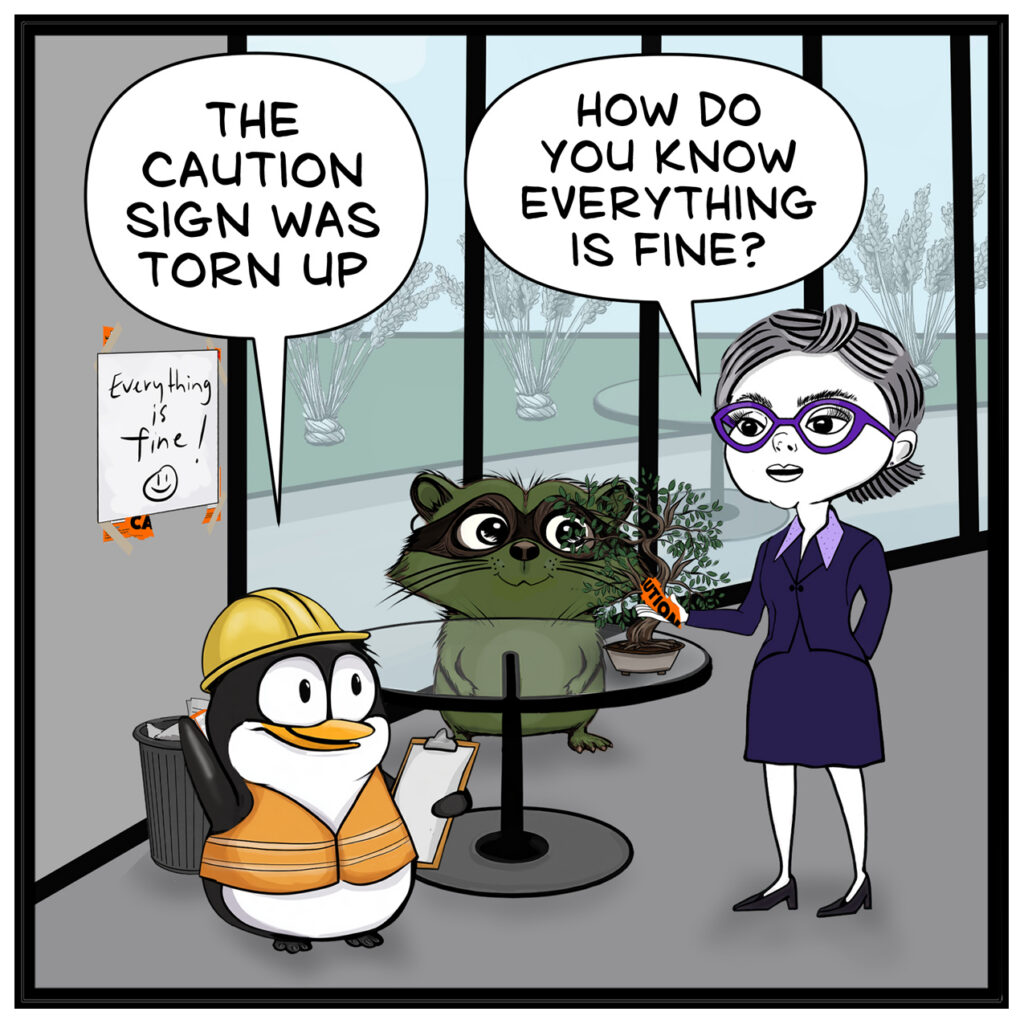
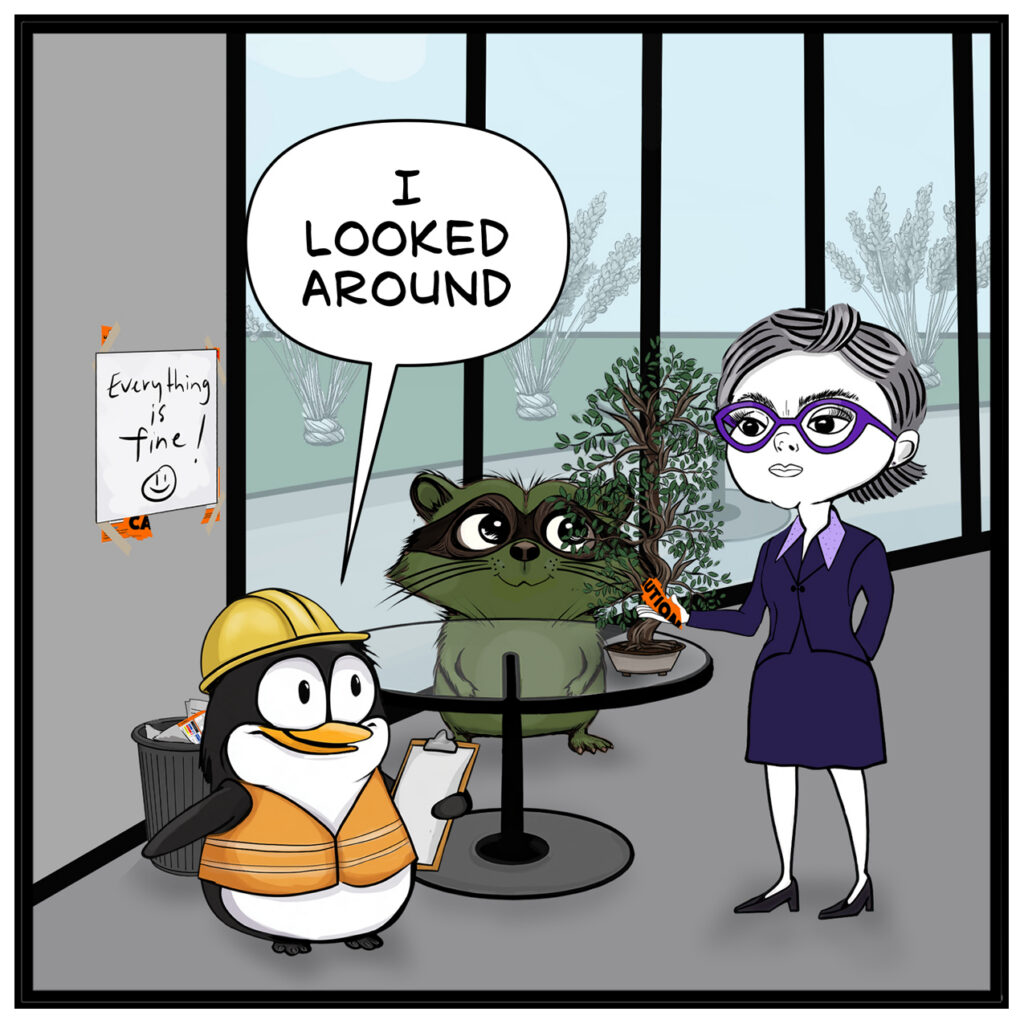
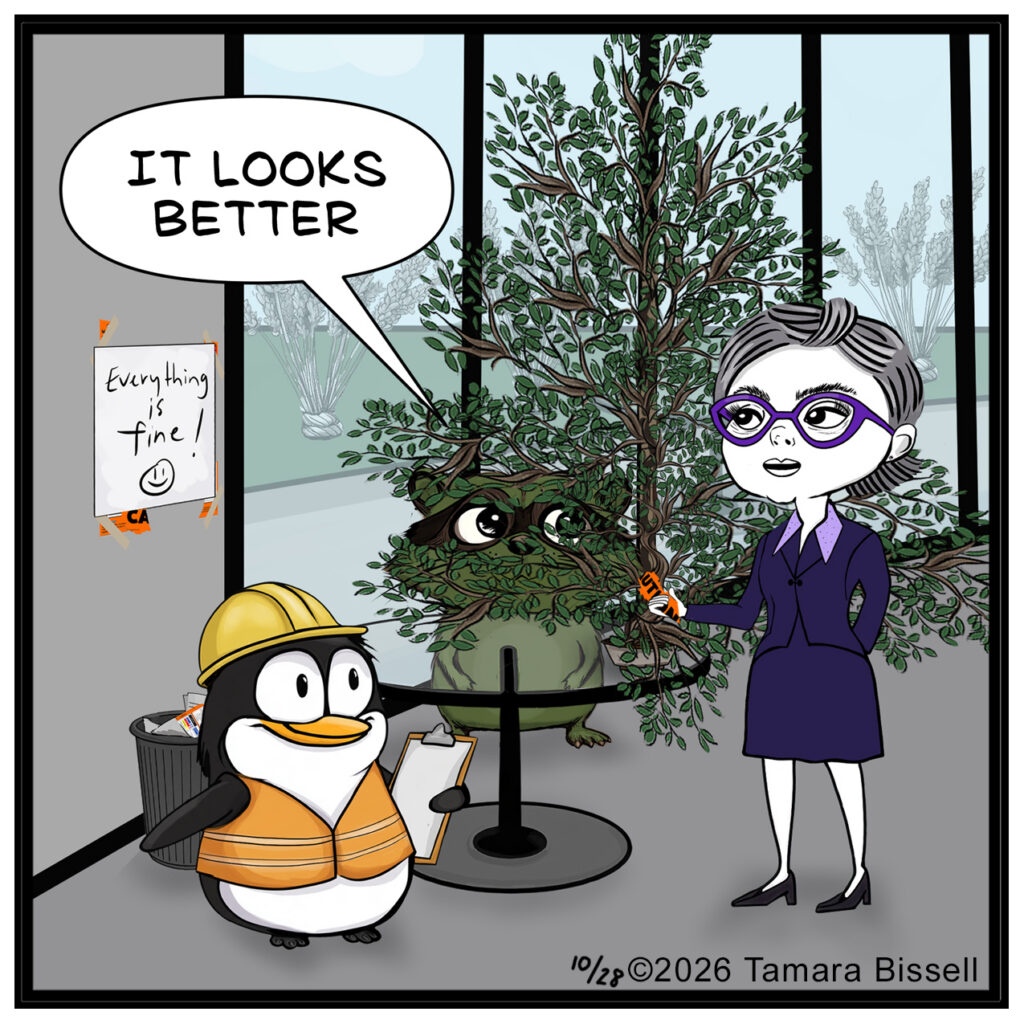
There is a difference between checking whether something looks better and checking whether the problem is gone.
One takes a glance.
The other takes curiosity.
At work, we do the first one more often than we admit. The mess is cleaned up. The deadline moved. The complaint stopped. The numbers improved.
Good. But why?
A better-looking result can mean the fix worked. It can also mean the problem changed shape while no one was watching.
I am learning not to confuse a quieter problem with a solved one.
So I’m curious:
When has “looks better” turned out to need a second look?
What tells you a problem is actually fixed?
I’ll be here, appreciating the improvement and still asking what happened.
Donna
 If you’ve ever thought, “How am I the only adult in this room?” you’re among friends.
Donna Lake Comic is for the people who keep things moving while everyone else creates new complications. The ones who solve the problem, and keep their actual thoughts safely behind a very controlled facial expression.
It’s a sharp, heartfelt office comedy about corporate nonsense, competence fatigue, quiet leadership, and the strange amount of dignity required to function in an increasingly unreasonable workplace.
Welcome to Donna Lake.